

زهرة البابونج للأستيراد وفوائدها
April 27, 2022
لبان ذكر للتصدير والاستيراد
April 30, 2022
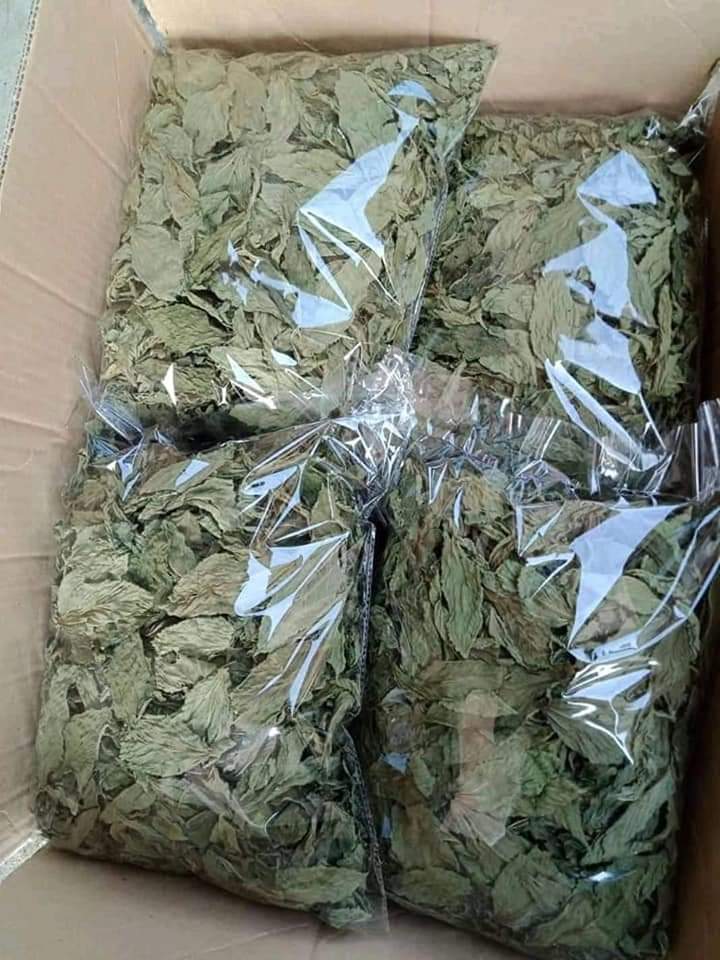
ملوخية ورق مجففة للأستيراد داخل منازل بسيطة فى إحدى قري الفيوم، يتجمع أمامها العديد من النساء “يقطفون أوراق الملوخية وهم يبتسمون فرحا إيذاننا ببدء تصدير موسم “الذهب الأخضر”، حيث تشتهر قرية “جردو” بالفيوم بتصدير الملوخية إلى دول أوروبا والخليج، وقد ودعت تلك القرية البطالة حيث يعمل الجميع فى زراعة وتجميع وتقطيف وتجفيف وتعبئة الملوخية التى ذاع شهرتها فى دول أوروبا واليابان , وكذا دول الخليج.
“ملوخية ورق مجففة للأستيراد”زراعتها
ملوخية ورق مجففة للأستيراد في قرية “جردو” منتصف شهر أبريل وحتى منتصف أكتوبر، ثم يتم جمع المحصول عن طريق آلة حادة تسمى “المحشّ”، ينقل بعد ذلك من الحقول إلى مرحلة التجفيف ليتم تحويله إلى المخازن لتنظيفه من الشوائب وتعبئته في أكياس بلاستيكية مقسمة حسب الوزن، توضع في صناديق من ورق الكرتون، ومن ثم إلى السيارات المخصصة لعملية التصدير وتعرف لديهم بـ”الكونترات”.
ملوخية ورق مجففة للأستيراد ويوجد في قرية “جردو” أكثر من 36 مشروعا لتجفيف وتعبئة ملوخيه ورق مجففه اورجانيك يمتلكها شباب من القرية، ويقول عشري جاب الله ـ أحد أصحاب تلك المشروعات ـ إن ربح المشروع جيد من الناحية المادية، كما أنه يوفر من خلاله الكثير من فرص العمل لأبناء جردو والقرى المجاورة.
ويضيف المهندس كريم عبد المنجي ـ صاحب أحد المشروعات ـ أن إقامة مشروع الملوخية، يحتاج فقط إلى قطعة أرض زراعية توضع بها أقفاص مصنوعة من سعف النخيل وتزرع أوراق الملوخية الخضراء بعد عملية نزع أوراقها وتسمى بعملية “التقطيف” والتي تقوم بها النساء ثم تترك لمدة 4 أيام للتجفيف، وبعدها يتم وضعها في مخزن صغير يكون غالبا داخل أحد المنازل بالقرية تجتمع فيه النساء لتنظيف أوراق الملوخية الجافة من الحشائش، ثم تعقبها مرحلة التعبئة حسب الوزن الذى يطلبه المستورد، وتبدأ من 5 كيلو جرامات، ثم كيلوجرام، أو نصف كيلو، انتهاء بعبوة 200 جرام، وتبيع قرية جردو الملوخية المجففة فقط، أما الخضراء الطازجة ليست من اختصاصهم.
وكشف أحمد (25 عاما)، أنه استطاع الوصول إلى مستوردين في الخارج عن طريق شبكة الإنترنت، مؤكدا أنه نجح في أن يكتسب ثقة أهل القرية، ويشتري منهم محصول الملوخية ثم يقوم بتجهيز النبات بكل المراحل السابقة، وصولا إلى مرحلة التصدير دون الحاجة لأي وسيط ، مؤكدا أن القرية حققت شهرة عالمية في زراعة وتعبئة الملوخية.
ويؤكد اخر ـ صاحب شركة تصدير ـ أن عمله مع شريكه بدأ منذ عام فقط، حيث صدّرا إلى تركيا وألمانيا وسويسرا بالفعل بسعر أقل مما يدفعه المستوردون الآخرون لأهل القرية، أملا في نجاح مشروعهما مستقبلا وبسعر أعلى.
ومن جانبه، أكد الدكتور ربيع مصطفي وكيل وزارة الزراعة بالفيوم أن مزارعى مركز إطسا نجحوا فى زراعة 220 فدانا من ما يطلقون عليه “الملوخية الخارقة”، التى تتميز بطولها الذى يتجاوز المترين، وأوراقها الكثيفة واستخداماتها المتنوعة فى المستحضرات والعلاجات الطبية، إلى جانب تصنيع الألياف من سيقانها، والتي تم البدء في تصديرها لأسواق اليابان وأوروبا.
ملوخية ورق مجففة للأستيراد واضيف ان لها سلالة مصرية ويطلق عليها اسم “الجوت الأخضر”، وهو نبات ثنائي الغرض يتم استخدام أوراقه وسيقانه، مشيرا إلى أنه تتم زراعته على مساحة 3000 فدان، والمزارعون يطلقون عليه “الملوخية الصعيدى”، وتتطلب مدة زراعته حوالى 110 أيام، وتستلزم فترة زراعته “حشتين زراعيتين”، الأولى بعد 60 يوما، والثانية بعد 50 يوما أخرى.
وأوضح أنه عقب قيام المزارعين بالحشة، يوزعون الكميات من النبات على النساء في منازلهم، حيث تبدأ النساء في فصل الأوراق عن الساق، مقابل جنيه للكيلو الواحد،وبعد ذلك يحصل المزارع على الأوراق فيقوم بتجفيفها وتعبئتها في كراتين ورقية محكمة لتصديرها للخارج.
مصادر اخرى عن ملوخية ورق مجففة للأستيراد
http://www.bestherbseg.com/category/%d9%85%d9%86%d8%aa%d8%ac%d8%a7%d8%aa/


